Executive Coaching and Mentoring for Chief Executives, Executive Directors & Senior Leaders
When you’re the person everyone else turns to, where do you go to think?
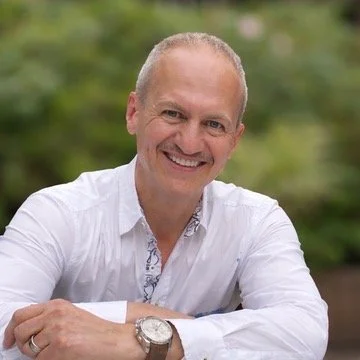
Former NHS CEO, drawing on 35 years’ executive leadership experience, I work with CEOs, Executive Directors and other public-service senior leaders through difficult decisions, transitions and high-pressure leadership.
My approach is shaped by a career working in healthcare and wider public-sector executive leadership, including service as a Chief Executive, Managing Director and Board Trustee Chair. I understand board accountability, operational pressure, public scrutiny, ethical strain and high-consequence decision-making from the inside. I understand the CEO/Board relationship because I have occupied both sides of it.
This experience informs my coaching approach that is thoughtful, practical and confidential, grounded in the realities of senior organisational life. It is relevant across the public, voluntary and private sectors, particularly for leaders who need clarity, steadiness and sound judgement rather than generic leadership formulas.
I hold the ILM qualification in Executive and Senior Level Coaching and Mentoring and work under regular professional supervision. I am a Member of the City and Guilds of London Institute and the Institute of Leadership.
My coaching offers a confidential, structured space to pause, test assumptions, widen perspective and move from pressure towards considered action. I help experienced leaders reach clearer decisions, strengthen their authority and act with greater purpose.
Book a free confidential 30 minute conversation to explore what you need and whether working together would be a good fit.
Paul Jenkins, MIoL, MSc, BSc, MCGI
Why Thinking Clearly
Senior leadership can be isolating. The higher the responsibility, the fewer places there are to test difficult judgements openly.
Thinking Clearly provides individuals and organisations an independent, confidential space where leaders can examine complexity, challenge assumptions and make decisions with greater clarify and confidence.
As a coach, I help you reach your own judgements. Where mentoring is useful, I can also draw on first-hand experience of chief executive, Board and organisational leadership.
An organisationally literate coach and mentor who understands governance, operational pressure, organisational politics, scrutiny and competing accountabilities.
ILM accredited as a trained executive coach and mentor, professionally supervised and committed to clear contracting and ethical boundaries.
A Member of the Institute of Leadership and the City and Guilds of London Institute.
What clients gain
Clients commonly describe the work as helping them to:
regain perspective when pressure narrows their field of view;
make difficult decisions with greater clarity and confidence;
strengthen their authority without losing authenticity;
handle conflict, relationships and organisational politics more effectively; and
turn reflection into practical, considered action.
Clients typically seek coaching when they are:
leading through organisational change or recovery;
stepping into a more senior role or a different form of responsibility;
managing stakeholder relationships, conflict or difficult conversations;
wanting reflective space when navigating transition, redundancy or a career change;
building, reshaping or leading a senior team; and
strengthening Board leadership and relationships with Chairs, Non-Executive Directors, trustees or shareholders.
What I Offer
Executive and senior leadership coaching and mentoring
For CEOs, directors, senior managers and experienced professionals managing complexity, pressure, conflict, scrutiny and competing accountabilities. The work may support leaders who are building or reshaping an executive team, preparing for Board-level responsibility, working with Boards or strengthening relationships with Chairs, Non-Executive Directors, shareholders or trustees.
Transition coaching
For leaders entering a new role, returning after absence, taking on executive responsibility, managing redundancy, reshaping a portfolio career or preparing for a different professional chapter. The work can help you clarify priorities, establish authority and approach the next phase with greater confidence and intention.
Reflective coaching for senior professionals
For experienced professionals who need structured space to examine difficult cases, organisational tensions, ethical strain, role pressure or decisions that cannot easily be discussed inside the organisation. Coaching provides room to think beyond immediate demands while keeping the focus on responsible action.
Leadership judgement and complex relationships
For leaders facing complex relationships, contested decisions, organisational politics or competing Board expectations. Coaching can help distinguish urgency from importance, clarify the interests and accountabilities involved, and prepare for difficult conversations with greater confidence and precision.
Board leadership and executive teams
For chief executives, directors and other senior leaders who are recruiting, developing or reshaping executive teams, working through Board dynamics, or strengthening relationships with Chairs, Non-Executive Directors, trustees and shareholders. We can examine both the personal leadership challenge and the wider organisational system in which it has arisen.
What Clients Say
“Paul’s coaching sessions helped me to get a better sense of perspective and provided tools and models to help me reflect, gain clarity, develop my leadership style and deal more effectively with conflict.” Executive, University
“I have definitely changed as a result of coaching with Paul. I feel calmer and have found ways to ground myself.” Business Executive, Financial Services
“The sessions with Paul were powerful and challenged assumptions in a safe environment.” Management Consultant, Health & Social Care
Illustrative client outcomes
An senior leader moving from peer to organisational executive leader strengthened boundaries, authority and confidence in high-consequence organisational change.
A business professional returning from leave clarified her leadership narrative and prepared for promotion with greater confidence.
An experienced healthcare professional navigating career transition regained direction and purpose, strengthened interview confidence and secured a new role.
Programmes are designed around the needs of the individual, team or organisation. While many individual coaching engagements involve around six sessions, every programme is tailored to the client’s objectives rather than following a standard formula.
How I Work
Professional stance
My work is grounded in clear boundaries between coaching, mentoring and management. I contract explicitly at the outset and review the focus periodically so that the work remains appropriate, useful and within scope.
My style combines attentive enquiry, appropriate challenge and, where useful, mentoring informed by organisational experience. I work at sufficient depth to understand what is driving the issue while keeping the focus on judgement and action. The aim is to increase clarity, capability and independence rather than create dependency.
How coaching works
Most engagements begin with an introductory conversation to explore the context, expectations and whether the fit feels appropriate for both parties. If we agree to proceed, we define the focus, contract the work clearly and review progress during and at the end of the programme. Each programme is shaped around the client’s needs rather than a standard formula.
Individual coaching commonly involves around six sessions. This usually allows enough time to explore issues in depth, test new approaches and reflect on changes in thinking, confidence and action. Coaching engagements may take the form of one-to-one coaching, mentoring, leadership development input or reflective practice, delivered online or in person.
The intention is to create a space that is challenging, psychologically safe and sufficiently structured to support clear thought and practical action. The same approach can also be commissioned by organisations for chief executives, directors, senior leaders and high-potential professionals. In sponsored work, expectations, boundaries and confidentiality are agreed explicitly through a tripartite agreement between the coach, client and sponsor.
Confidentiality and data protection
Client and sponsor confidentiality is taken seriously. Notes are held securely, access is restricted and personal data is handled in accordance with UK data protection requirements. Any limits to confidentiality are explained clearly at the outset. I maintain professional indemnity and public liability insurance, and obtain DBS checks where required.
Ethics
I work within recognised professional ethical frameworks. If a client’s needs fall outside the coaching remit, I discuss this openly and, where appropriate, support onward referral.
Supervision
I undertake regular professional supervision as a core part of ethical governance, reflective practice and continuing development.
Arrange a confidential introductory conversation
Book a free confidential 30 minute conversation to explore what you need and whether working together would be a good fit.
I’d be pleased to hear from you by email or telephone.
Email: paul@thinkingclearlycoaching.com
Telephone: 07903 081181
LinkedIn: www.linkedin.com/in/pauljenkins24/
Website: www.thinkingclearlycoaching.com